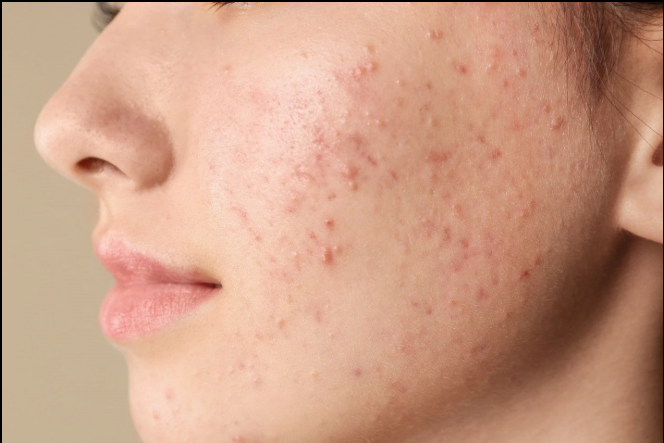
Acne is one of the most common skin conditions that affects people of all ages, especially teenagers and young adults. It occurs when hair follicles become clogged with oil (sebum), dead skin cells, and bacteria. Acne can appear on the face, neck, chest, back, and shoulders, often leading to pimples, blackheads, whiteheads, and sometimes painful cysts.
One of the main causes of acne is hormonal changes, particularly during puberty, menstruation, pregnancy, or stress. These changes can increase oil production in the skin, making pores more likely to become blocked. Another major factor is the presence of bacteria, which can lead to inflammation and redness. Poor skincare habits, excessive use of cosmetic products, and unhealthy diet can also contribute to acne.
The symptoms of acne vary depending on its severity. Mild acne may include blackheads and whiteheads, while moderate to severe acne can involve inflamed pimples, nodules, and cysts. In some cases, acne can leave scars or dark spots if not treated properly. This condition can also affect self-confidence and emotional well-being.
There are several effective ways to manage and treat acne. Maintaining a proper skincare routine is essential. Washing the face twice daily with a gentle cleanser helps remove excess oil and dirt. Avoiding harsh scrubs and over-washing is important, as it can irritate the skin and worsen acne.
Using non-comedogenic (non-pore-clogging) skincare and makeup products can help prevent breakouts. Ingredients like salicylic acid, benzoyl peroxide, and retinoids are commonly used in acne treatments to reduce inflammation and clear blocked pores. However, it is important to use these products under proper guidance.
Diet and lifestyle also play a significant role in skin health. Consuming a balanced diet rich in fruits, vegetables, and whole foods can improve skin condition. Reducing intake of sugary and oily foods may help control acne. Staying hydrated and managing stress through activities like yoga or meditation can also benefit the skin.
In more severe cases, consulting a dermatologist is recommended. Medical treatments such as prescription creams, oral medications, or procedures may be required to control acne effectively. Conditions like Severe Acne need proper medical attention to prevent long-term skin damage.
In conclusion, acne is a common but manageable skin condition. With the right combination of skincare, healthy habits, and medical support when needed, it is possible to achieve clear and healthy skin. Patience and consistency are key, as results may take time but are achievable with proper care.