Hair
Ringworm of the Scalp
Ringworm of the scalp is a contagious fungal infection that causes itchy patches and hair loss. Early treatment with antifungal medication ensures quick recovery and prevents spread.
2026-03-26

Dr. Amit Sharma
MBBS, MD (General Medicine) • 12++ Years Experiences
Introduction
Ringworm of the scalp, medically known as Tinea Capitis, is a common fungal infection that affects the scalp and hair shafts. Despite its name, it is not caused by a worm but by a group of fungi called dermatophytes. This condition is more commonly seen in children, but it can also affect adults, especially those with weakened immunity or poor scalp hygiene.
The infection spreads easily through direct contact with an infected person, contaminated objects such as combs, towels, or hats, and even from infected animals like pets. Since it is highly contagious, maintaining proper hygiene and avoiding sharing personal items is essential to prevent its spread.
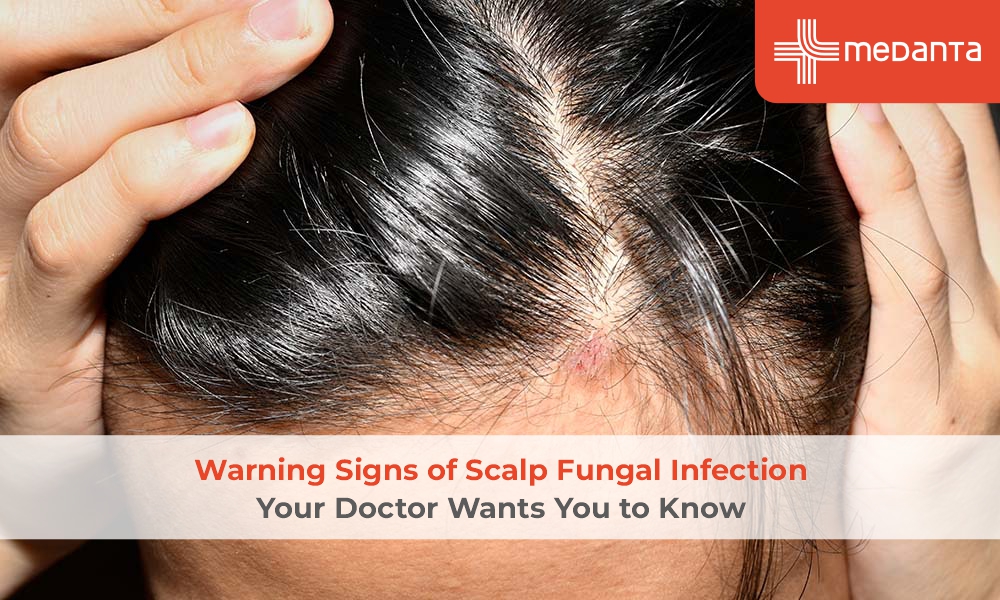
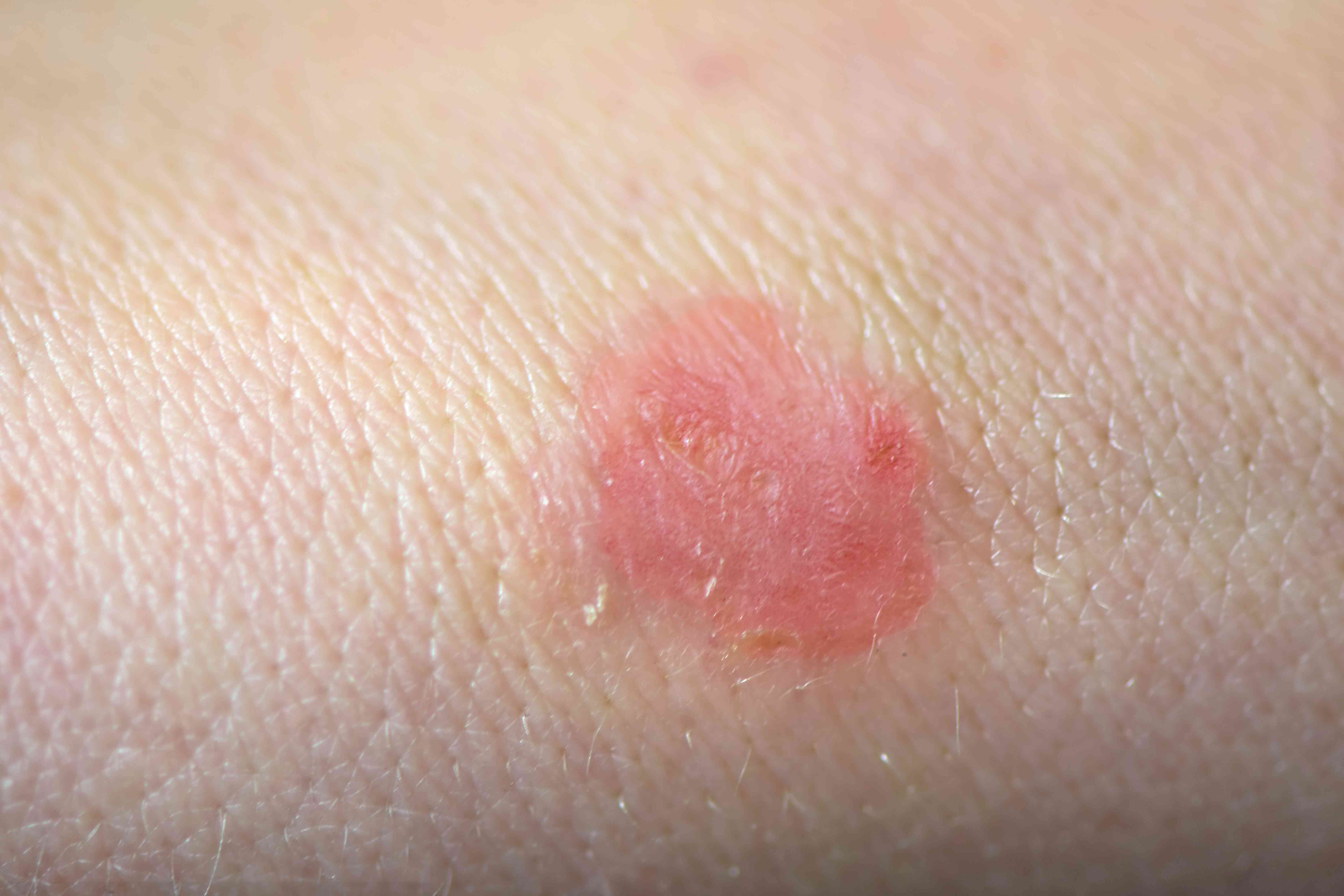
One of the most noticeable symptoms of ringworm of the scalp is the appearance of round, scaly patches on the scalp. These patches may be itchy and can gradually increase in size. Hair loss is also a common symptom, as the infection weakens the hair shafts, causing them to break off easily. In some cases, black dots may appear where the hair has broken. Severe infections can lead to painful, swollen areas on the scalp known as kerion, which may require immediate medical attention.
Early diagnosis plays a crucial role in effective treatment. A healthcare professional may examine the scalp or perform simple tests to confirm the infection. Treatment usually involves antifungal medications taken orally, as topical treatments alone are often not sufficient for scalp infections. Medicated shampoos may also be recommended to reduce the spread of the fungus and support the healing process.
Maintaining proper scalp hygiene is important during and after treatment. Washing hair regularly with antifungal shampoo, keeping the scalp clean and dry, and avoiding sharing personal items can help prevent reinfection. It is also advisable to check pets for fungal infections, as they can be a hidden source of transmission.
In addition to medical treatment, taking preventive measures can significantly reduce the risk of infection. Educating children about personal hygiene, ensuring clean living environments, and avoiding close contact with infected individuals are key steps. Schools and daycare centers should also be aware of such infections to prevent outbreaks.
Although ringworm of the scalp can be uncomfortable and sometimes alarming, it is a treatable condition with proper care. With timely diagnosis, appropriate medication, and good hygiene practices, most individuals recover completely without long-term effects. However, ignoring the condition can lead to complications such as permanent hair loss or secondary infections.
In conclusion, ringworm of the scalp is a contagious fungal infection that requires attention and proper treatment. Awareness, early intervention, and preventive care are essential to manage and eliminate the infection effectively. If you notice symptoms such as scalp itching, hair loss, or scaly patches, it is important to consult a doctor promptly for accurate diagnosis and treatment.