Sleep is one of the most important aspects of maintaining overall health and well-being. Despite its importance, many people struggle with poor sleep due to stress, irregular routines, excessive screen time, and unhealthy lifestyle habits. Quality sleep is essential for physical recovery, mental clarity, emotional balance, and a strong immune system.
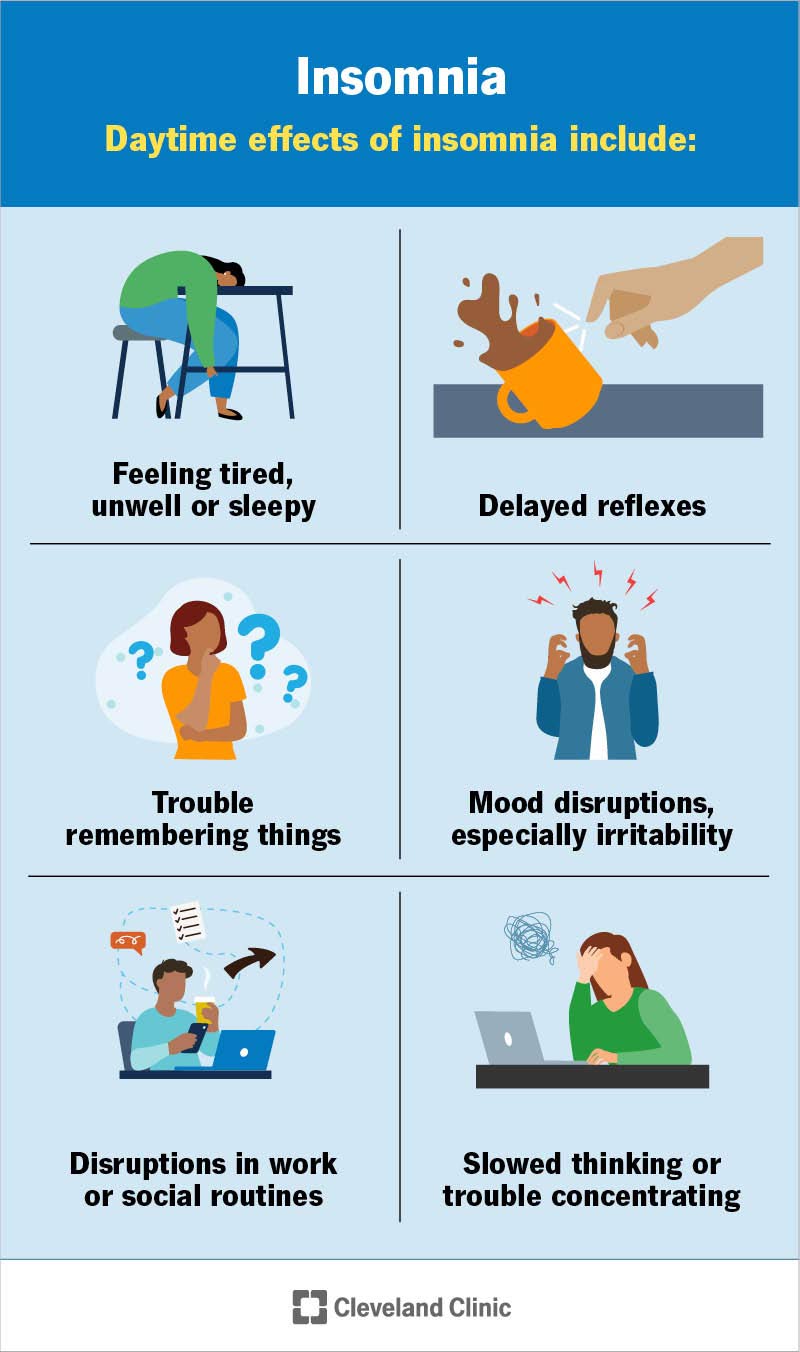
Sleep support refers to the practices and habits that help improve sleep quality and ensure the body gets enough rest. Adults generally need around 7–8 hours of sleep each night, but the quality of sleep matters just as much as the quantity. Poor sleep can lead to fatigue, reduced concentration, mood swings, and long-term health issues.
One of the most common sleep-related problems is Insomnia, where individuals find it difficult to fall asleep or stay asleep. This can be caused by stress, anxiety, or lifestyle factors. Identifying the root cause is important for effective sleep support.
Creating a consistent sleep routine is one of the best ways to improve sleep. Going to bed and waking up at the same time every day helps regulate the body’s internal clock. Avoiding late-night screen exposure from mobile phones and laptops is also crucial, as blue light can interfere with the production of melatonin, the hormone responsible for sleep.
A comfortable sleep environment plays a significant role in sleep quality. Keeping the bedroom quiet, dark, and cool can help the body relax. Investing in a good mattress and pillow can also improve comfort and reduce sleep disturbances.
Diet and lifestyle habits also impact sleep. Avoiding caffeine, heavy meals, and sugary foods before bedtime can help prevent sleep disruptions. Herbal teas, warm milk, and light snacks may promote relaxation. Regular physical activity during the day can also improve sleep, but intense exercise close to bedtime should be avoided.
Stress management is another important aspect of sleep support. Practicing relaxation techniques such as meditation, deep breathing, or reading a book before bed can calm the mind. Reducing daily stress and maintaining a balanced lifestyle contribute to better sleep patterns.
In some cases, medical advice may be necessary, especially if sleep problems persist. Doctors may recommend therapy, lifestyle changes, or medications depending on the severity of the condition.
In conclusion, good sleep is essential for a healthy and productive life. By adopting simple habits, creating a comfortable sleep environment, and managing stress effectively, you can improve your sleep quality and overall well-being. Prioritizing sleep is not a luxury—it is a necessity for long-term health.