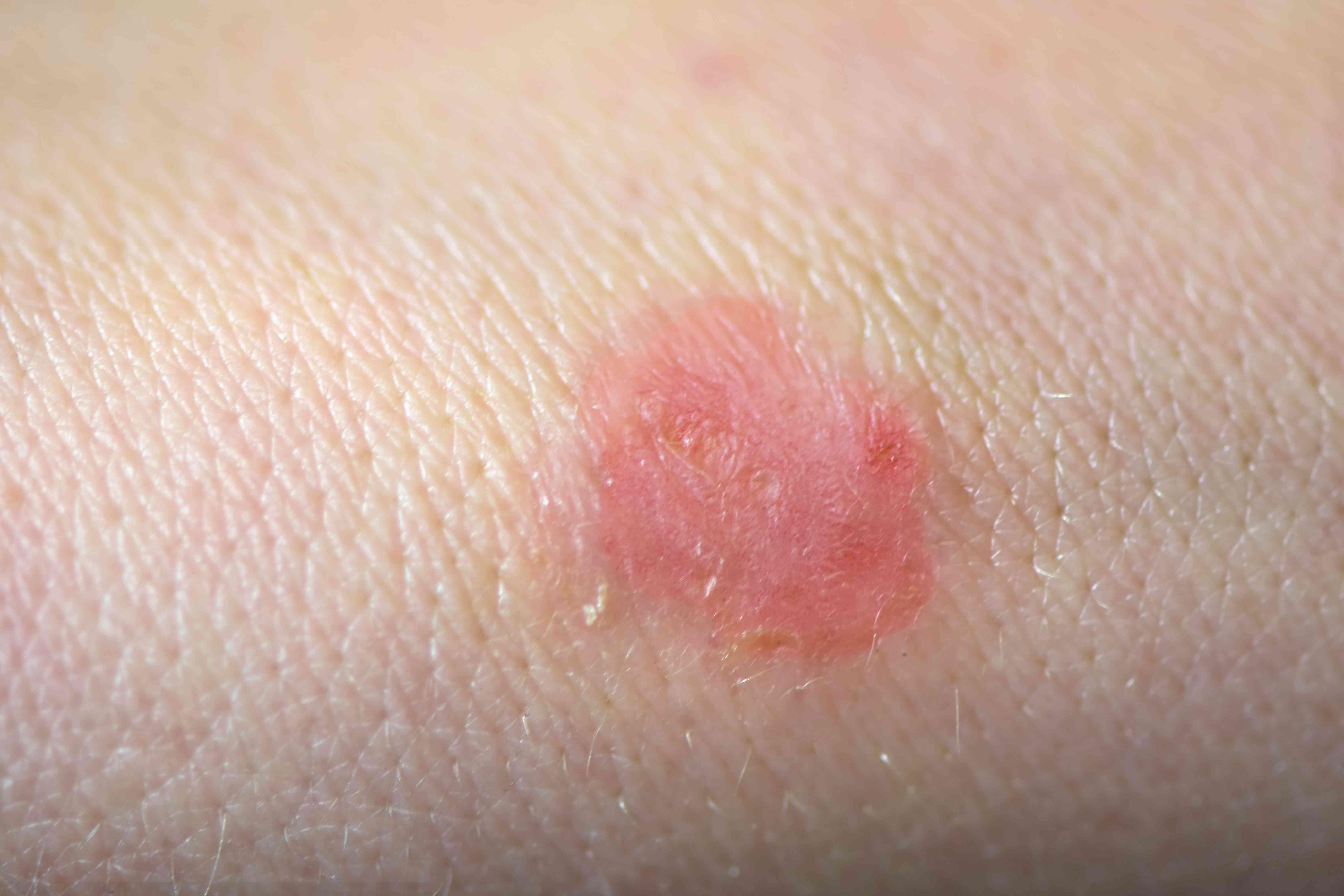
Fungal infections are common skin conditions caused by fungi that thrive in warm, moist environments. These infections can affect different parts of the body, including the skin, scalp, nails, and intimate areas. While most fungal infections are not serious, they can cause discomfort, itching, and irritation if not treated properly.
One of the most common types of fungal infections is Ringworm, which appears as red, circular, itchy patches on the skin. Other types include athlete’s foot, nail fungus, and yeast infections. These infections spread easily through direct contact with an infected person, contaminated surfaces, or shared personal items like towels, clothes, and footwear.
The main causes of fungal infections include poor hygiene, excessive sweating, tight or non-breathable clothing, and a weakened immune system. People who spend long hours in humid environments or wear damp clothes are more prone to these infections. Additionally, conditions like diabetes can increase the risk of fungal growth.
Symptoms of fungal infections vary depending on the affected area but commonly include itching, redness, rashes, peeling skin, and sometimes a burning sensation. In nail infections, discoloration and thickening of the nails may occur. If left untreated, fungal infections can spread to other parts of the body or become more severe.
Treatment of fungal infections usually involves antifungal medications in the form of creams, powders, shampoos, or oral medicines, depending on the severity. Keeping the affected area clean and dry is crucial for faster healing. Wearing loose, breathable clothing and avoiding sharing personal items can help prevent the spread of infection.
Natural remedies such as applying coconut oil, tea tree oil, or aloe vera may provide relief in mild cases. However, if the infection persists or worsens, it is important to consult a doctor for proper diagnosis and treatment.
Prevention plays a key role in managing fungal infections. Maintaining good personal hygiene, drying the body properly after bathing, and wearing clean clothes can reduce the risk. It is also important to take extra care in public places like gyms, swimming pools, and locker rooms, where fungal infections can spread easily.
In conclusion, fungal infections are common but treatable conditions that can be managed with proper care and hygiene. Early treatment and preventive measures can help avoid discomfort and prevent the infection from spreading. If you notice persistent itching, redness, or unusual skin changes, seeking medical advice is the best step toward recovery.